

Some absorbent systems are sold as two pieces: a cover you keep, and an insert you replace. An all-in-one disposable brief is sold as one garment. After it is used, the whole garment goes in the trash. The shopping difference is how many products you have to reorder, and which of them ever sees a washer.
Laundry is for the cover. The insert sits inside that cover, takes the wetness, and is discarded. When the insert pack runs out, you buy inserts. You buy another cover when the cover you have is worn out, lost, or the wrong size, not every time the insert pack empties. A disposable brief has none of that split. The next brief comes from the same case, and the used one leaves with the trash.

Formats still matter before brand. Pads, underwear, and briefs: which format to buy sorts pads, pull-on underwear, and tabbed briefs. A cover-and-insert system is a pant plus a refill. A pad you stick in regular underwear is a different format. If the drawer already has all-in-one briefs, switching means learning a second product, the insert, and keeping a cover in the laundry.
A cover you wash and an insert you discard
Write two lines. On the cover line, put the size and how many covers are in the house. On the insert line, put the count in the pack and whatever absorbency word the insert package prints. If you are still deciding between absorbency words, a mixed pack is a different order from a case of one word. Absorbency variety packs and one-level cases is that choice. The cover does not need a new absorbency word every time the insert does.
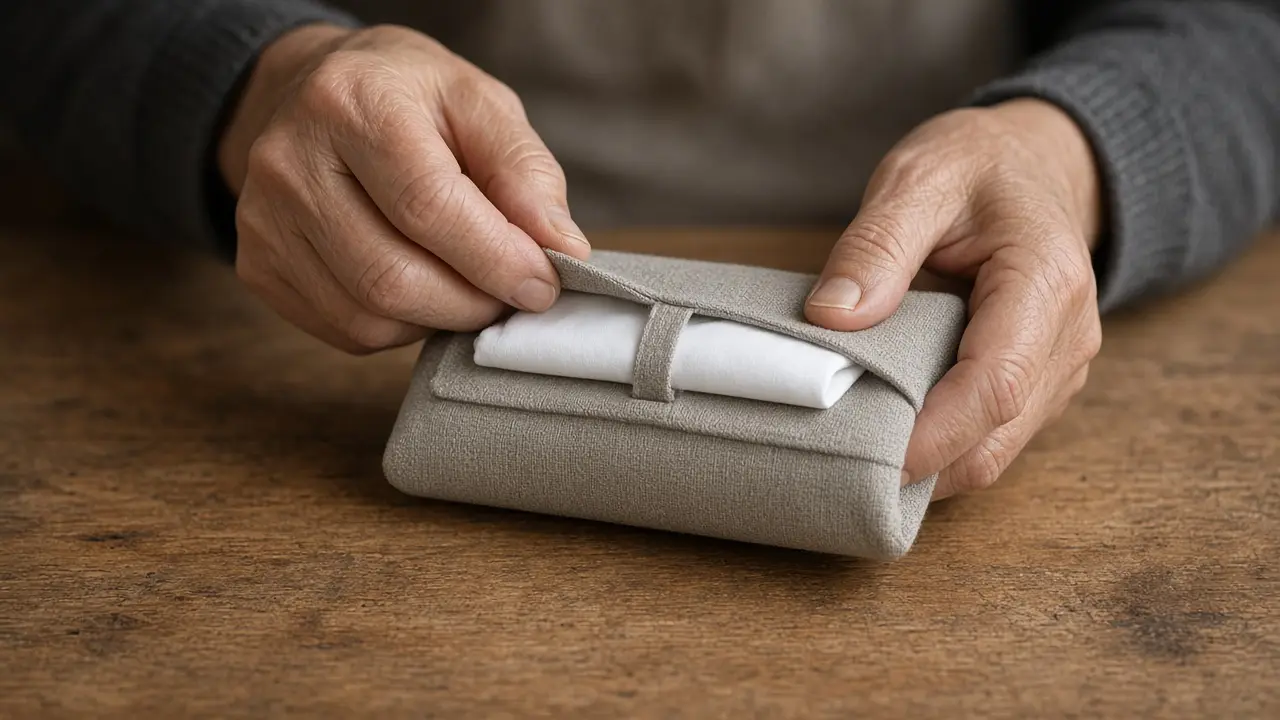
The insert has to fit the cover you own. Copy the insert size from the package that came with the cover, or from the last insert that sat correctly in it. A longer insert from a different system can be the wrong piece even when both boxes say absorbent. Inserts sold for washable underwear is the refill page. Use it when the product in your hand is an insert for a washable pant or cover.
A booster sold to add capacity inside a disposable brief is a different refill. Its listing is written for a brief or a pull-up, not for a washable cover. If the package says booster and names a brief, leave it on the brief list. Do not drop it into the insert line because both are soft rectangles.
One brief, one reorder
An all-in-one brief is a single product. The bag shows a count, a size, and an absorbency word. The next order repeats those unless the person wearing them asked for a change. The bag is only the brief. You throw away the whole garment, and you reorder that same bag.
Price comparisons go sideways when a cover’s price is set next to a brief’s pack price. Store brand and name brand: what to compare is about lining up like with like. Compare cover to cover, insert count to insert count, or brief count to brief count. Two briefs, one a store brand and one a name brand, can sit next to each other as briefs. A brief next to a reusable cover is a mismatch of objects, even on a day when the cover costs less.
An adult child reordering for a parent should photograph both pieces if the house uses the two-piece system: the cover’s size tag, and the insert box with its count. If the house uses briefs, one photo of the brief bag is the whole record. Sending a brief case to a house that has been washing covers will not refill the insert supply. Sending inserts to a house that uses only briefs leaves a product with nowhere to sit.

3 thoughts on “Reusable Covers With Disposable Inserts”
Comments are closed.